
We help people to get a visa if entry was denied in USA.
Legal Authority for Inspection:
CBP’s inspection authority is rooted in the Immigration and Nationality Act (INA) and the U.S. Code:
- 8 U.S.C. § 1225(a) (INA § 235) – Inspection by immigration officers
This section requires all arriving aliens (noncitizens) to be inspected by CBP officers to determine whether they may lawfully enter the United States.
“An alien present in the United States who has not been admitted… shall be deemed an applicant for admission.”
- 8 U.S.C. § 1182 (INA § 212) – Inadmissible aliens
Lists the grounds on which individuals may be denied entry, including criminal history, immigration violations, security concerns, and health-related issues. - 8 U.S.C. § 1357(a) (INA § 287) – Powers of immigration officers
Grants CBP officers the power to interrogate, detain, and search individuals seeking admission.
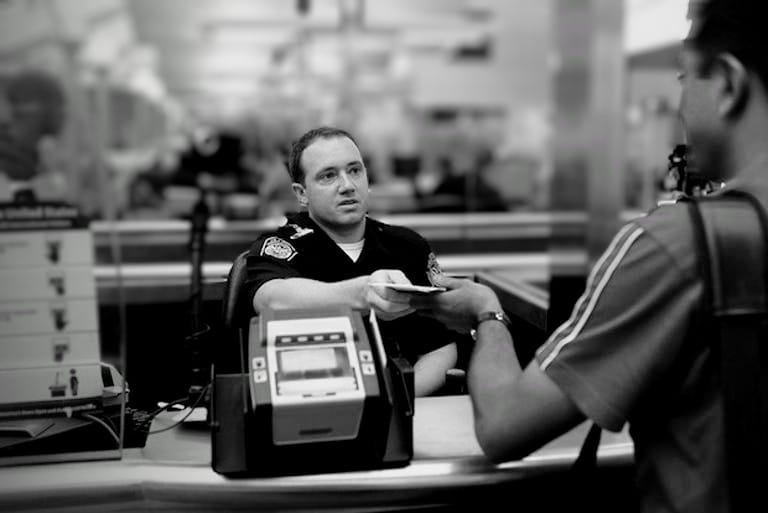
When you enter the United States, you will go through a process called CBP (Customs and Border Protection) inspection at the port of entry. Here’s what typically happens during CBP inspection:
Primary Inspection:
- You present your passport with your visa (if applicable) and any supporting documents (such as your I-20 for F1 visa holders or DS-2019 for J1 visa holders).
- The CBP officer will ask you questions about the purpose of your visit, how long you intend to stay, and other basic information.
Secondary Inspection (if necessary):
- Sometimes, individuals are referred to secondary inspection for further questioning or examination. This can happen for various reasons, such as:
- Additional verification of documents or information.
- Clarification on your purpose of travel or intent to stay.
- Random selection for further scrutiny.
- Issues with documentation or past immigration history.
Biometric Data Collection:
In many cases, CBP will collect your biometric data, such as fingerprints and a photograph, to verify your identity and check against immigration databases.
Decision and Entry:
- After the inspection, the CBP officer will make a decision on whether to admit you into the United States.
- If admitted, your passport will be stamped with an entry stamp that indicates the date of entry and your immigration status (e.g., F1, B1/B2, etc.).
- If there are any concerns or issues, the CBP officer may refuse entry and take further action, such as placing you into removal proceedings or denying entry altogether.
Customs Declaration:
After passing through immigration inspection, you will proceed to the customs area where you declare any goods you are bringing into the United States.
Exit Procedures:
When leaving the United States, you will go through similar CBP processes to verify your departure.
It’s important to be prepared for CBP inspection by having all necessary documents readily available, answering questions truthfully and clearly, and understanding your rights and responsibilities as an international traveler. If you have specific concerns or anticipate potential issues at the port of entry, consulting with an immigration attorney before your travel can be beneficial.
 INDUS PACIFIC LAW OFFICE OF HAMAD ALI.
Leave a comment